My original explanation focused on the theoretical reasoning behind why price elasticity of demand (PED) varies along a straight-line demand curve. But there’s another compelling way to see this—by plugging actual numbers into the formula and calculating the PED directly. When you compare the results, it becomes strikingly clear how this seemingly uniform slope harbors such nuanced changes. Both approaches lead to the same conclusion, yet together, they bring this economic concept vividly to life.
From what I have learned in ESS(Environmental system and society), a model is a simplified representation of reality. Economics simplifies real-world economic events into diagrams and frameworks—such as the market structures we studied this week—to help consumers and firms make more informed decisions. By breaking down complex interactions into understandable elements like supply, demand, competition, and pricing behavior, these models allow us to analyze how different market conditions affect outcomes. For example, understanding the differences between perfect competition, monopoly, and oligopoly helps companies formulate pricing strategies, while also enabling consumers to recognize market behaviors and make better choices. In this way, economic models serve as practical tools that bridge theory and real-life application.
This article will introduce Liuyang fireworks and its significance.
The fireworks industry in Liuyang, Changsha, means the world to the local community. Here’s why it matters so much:
•   It’s a huge economic driver: Liuyang is the biggest fireworks production and trading hub on the planet. In 2024, the industry’s total output hit 50.22 billion yuan, crossing the 50-billion mark for the second year in a row. Its exports make up 70% of China’s total, reaching over 100 countries and regions across the Americas, Europe, and Southeast Asia. At home, it holds about half the market share—so it’s bringing in serious money for the area.

•   It puts people to work: Around 300,000 locals make their living from fireworks, that’s 20% of Liuyang’s total population. In some towns, 7 out of 10 residents work in the industry. This means people don’t have to leave home to find jobs, which has cut down on issues like left-behind kids and elderly folks living alone.

•   It builds a strong industry network: Take Dayao Town, for example. It’s got a full fireworks supply chain, including the world’s largest market for raw materials. Over 400 businesses cover everything from papermaking and packaging to machinery, creating a tight-knit, efficient cluster.

•   It keeps culture alive: Liuyang’s fireworks date back over 1,300 years, starting in the Tang Dynasty and booming in the Song Dynasty. Legend has it Li Tian, the “father of firecrackers,” was from here. The industry’s growth has kept this old craft alive, preserving a piece of the area’s unique cultural identity.

•   It’s put Liuyang on the map: Known as “China’s Fireworks Hometown,” Liuyang’s fireworks are its most famous symbol. Since 2023, creative firework shows have drawn 5 million visitors, boosting spending by over 15 billion yuan. Weekend firework displays and events like these have made the city more well-known, giving its tourism and culture industries a big lift.

•   It pushes for new ideas: To keep up with market needs and environmental rules, local companies are always innovating. They’ve developed eco-friendly products like low-smoke, sulfur-free propellants and cold-light stage fireworks, nabbing over 20 national patents. They’ve even moved from manual workshops to smart factories, making production faster and better.
Liuyang, a city in Changsha, is perfectly suited for growing its fireworks industry—and here’s why:
First off, it’s got all the raw materials it needs close by. The area is rich in sulfur mines; once purified, that sulfur goes straight into making black powder. There’s also no shortage of bamboo and wood, and the fir charcoal used for ignition is a local specialty. Even the handmade paper that wraps the fireworks can be sourced locally. That means a lot of the work, from gathering materials to crafting the final product, happens right here.
Then there’s the geography—it’s a natural fit. Liuyang has a subtropical monsoon climate, with warm, humid conditions that are ideal for storing gunpowder. Plus, it’s surrounded by mountains and dotted with hills, which act like buffers. They soften the shockwaves from explosions, creating a built-in safety barrier that makes those powder workshops a lot less risky.
History plays a big role too. Fireworks in Liuyang date back over 1,300 years, starting in the Tang Dynasty and thriving by the Song Dynasty. Legend has it that Li Tian, the “father of firecrackers,” invented爆竹 (firecrackers) here. All that time has built up a deep cultural roots and a wealth of craftsmanship know-how.
The industry itself is already rock solid. Liuyang is where fireworks first took off in China, earning it the title “Hometown of Chinese Fireworks.” Today, it’s got a full产业链 (industry chain) covering everything from production and sales to R&D and logistics. It’s the world’s biggest hub for making and trading fireworks, with about 60% of China’s domestic market and 70% of its exports.
Innovation is another strong suit. Local companies are always adopting new tech—like digital ignition systems and smokeless launching techniques. They’ve even developed eco-friendly products, like powder-free fireworks, and paired drones with fireworks to create mind-blowing shows. All this pushes the industry forward in safety, sustainability, and artistry.
And the government’s got its back. The local authorities rolled out plans like the “14th Five-Year Plan for Liuyang’s Fireworks Industry Cluster” and set aside 100 million yuan every year to support the sector. That kind of commitment keeps the industry growing steadily for the long haul.
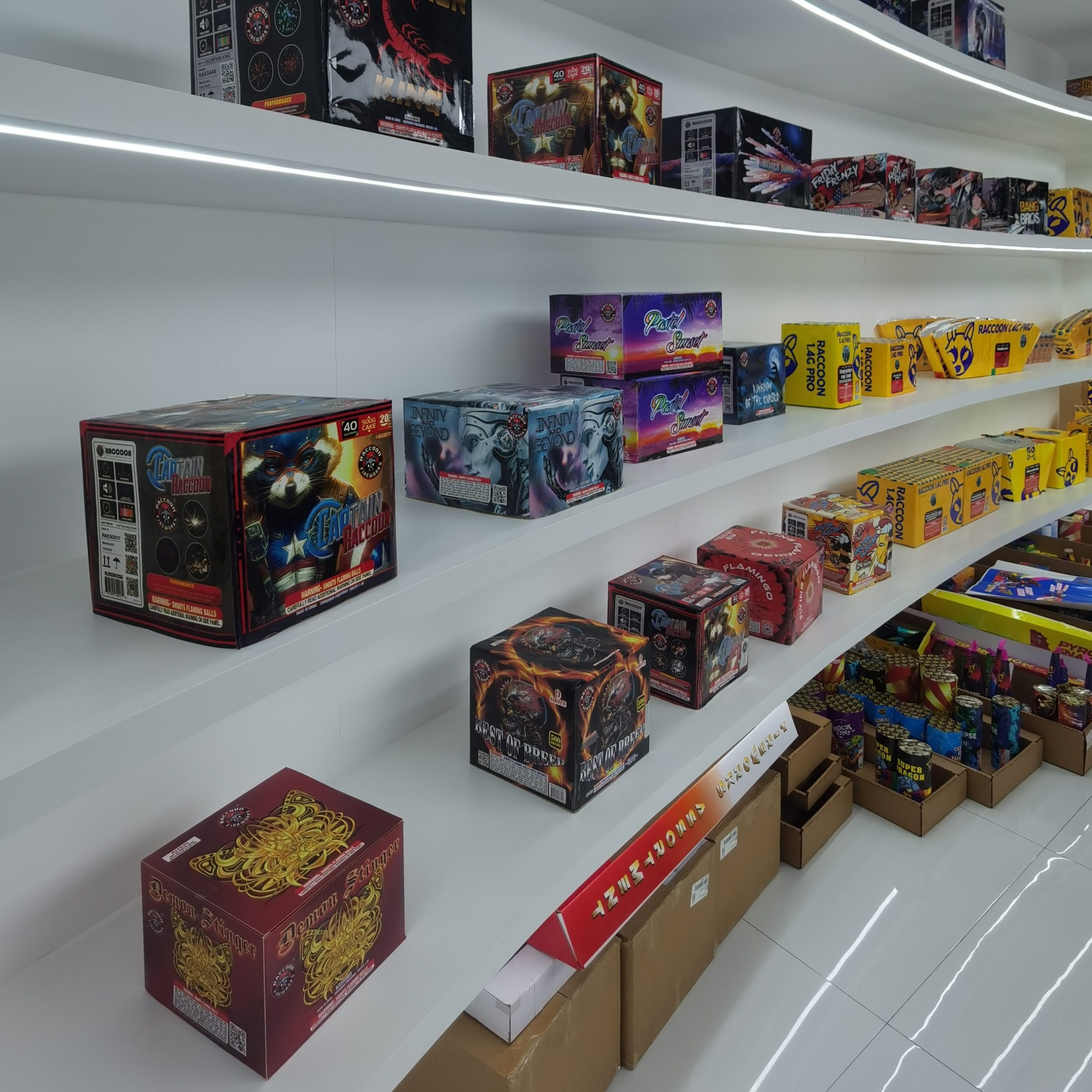
This is another fireworks trading company, which differs significantly from Qingtai Fireworks Company. This company is relatively small in scale and specializes in exporting fireworks. Its export destinations include the United States, Japan, South Korea, etc.
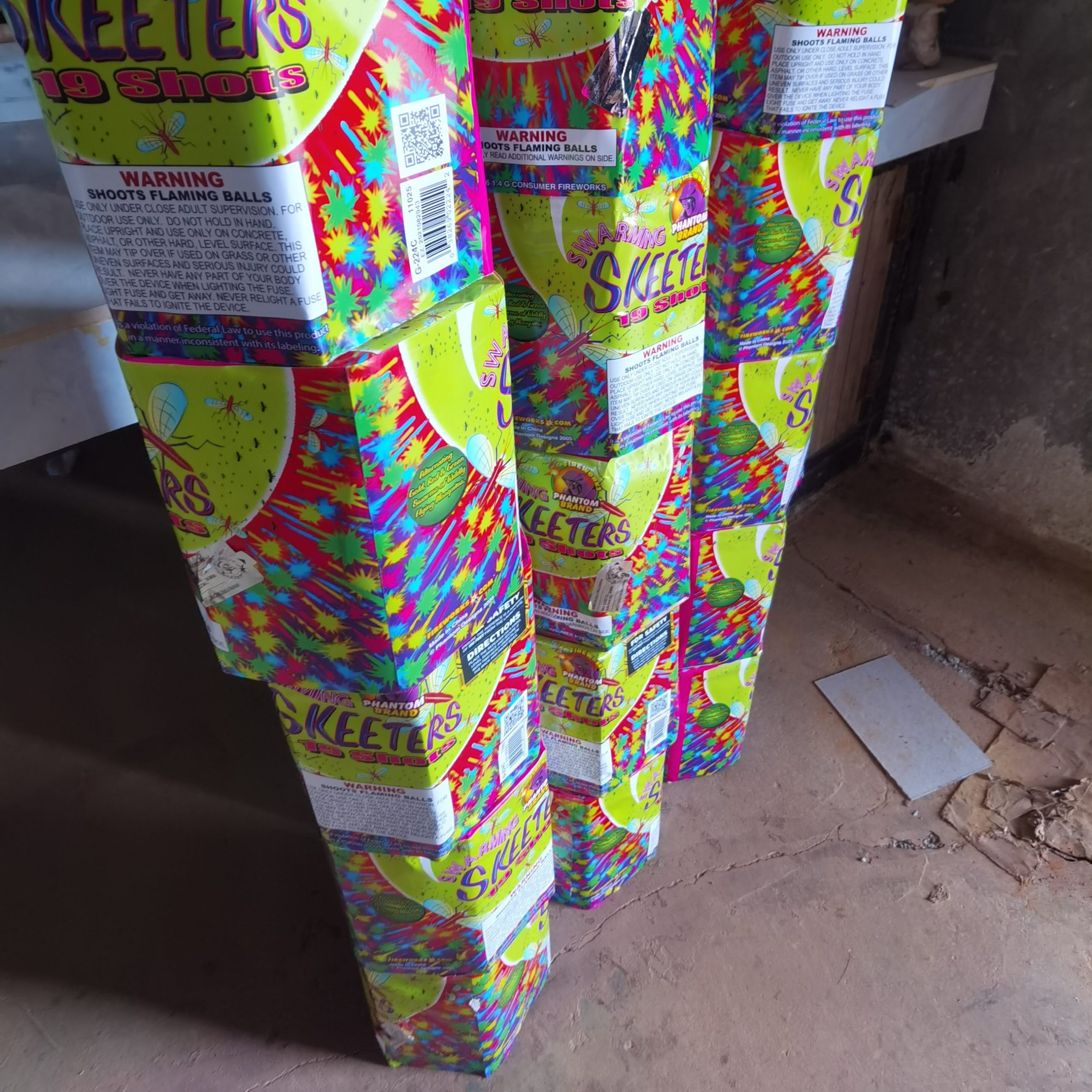
Moreover, we can also identify its primary target customers by observing the diverse languages on the outer packaging of its products in a small – scale product exhibition held within the company.
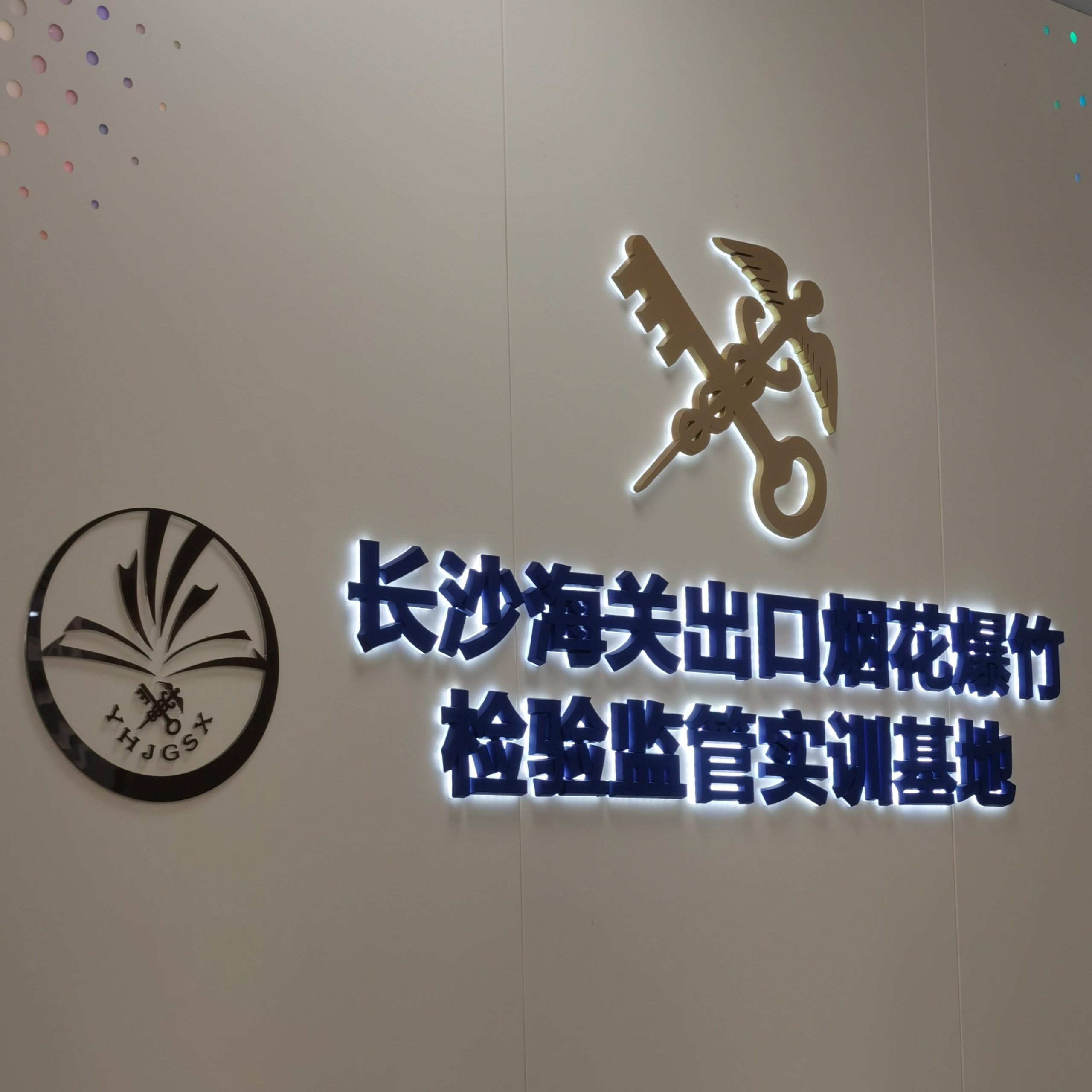
This is the last stop of our trip. At the customs, we carefully learned about all the regulations and procedures for exporting fireworks products. The process was complicated, but each step ensured our safety.
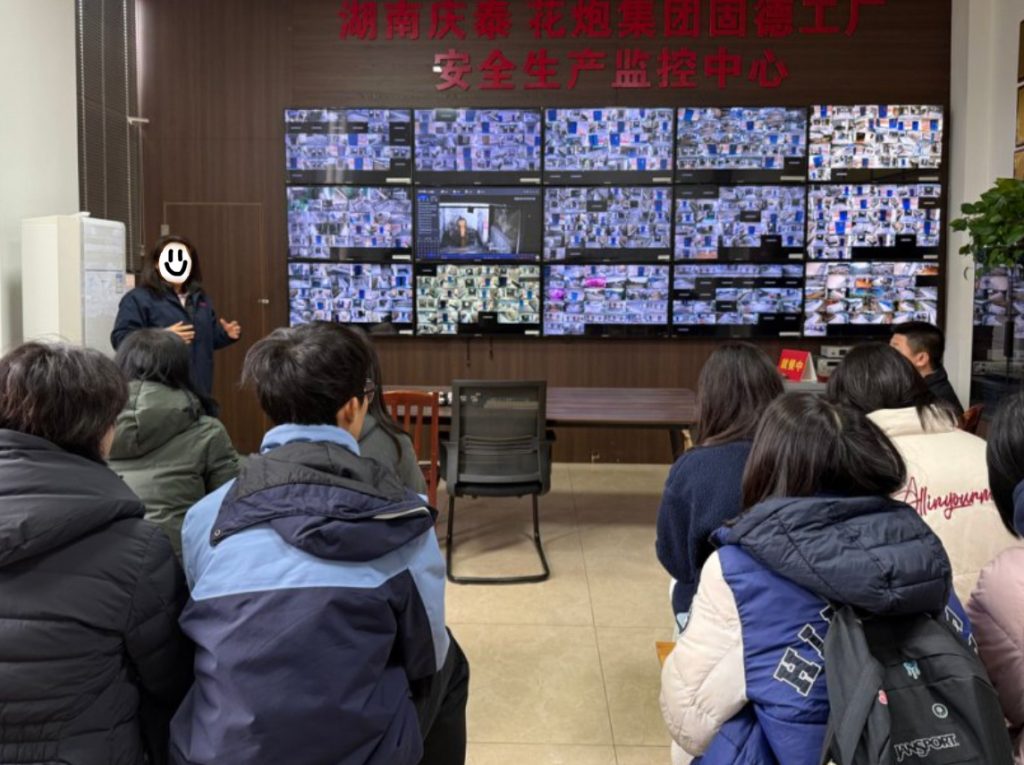
At the end of the presentation, the staff member who guided us through the learning process also mentioned that this position still requires fresh energy and encouraged us to study hard, to fully utilize our abilities in various fields and positions, and to bring value to ourselves and others.
This project aims to deeply understand the close connection between the Liuyang fireworks industry and the local economy, humanities and chemistry through a two-day and one-night visit, experience and study in Liuyang, Changsha.
This is the Liuyang fireworks I saw with my own eyes, and this picture was taken by me.
This article will briefly introduce the places I have been to in this study.
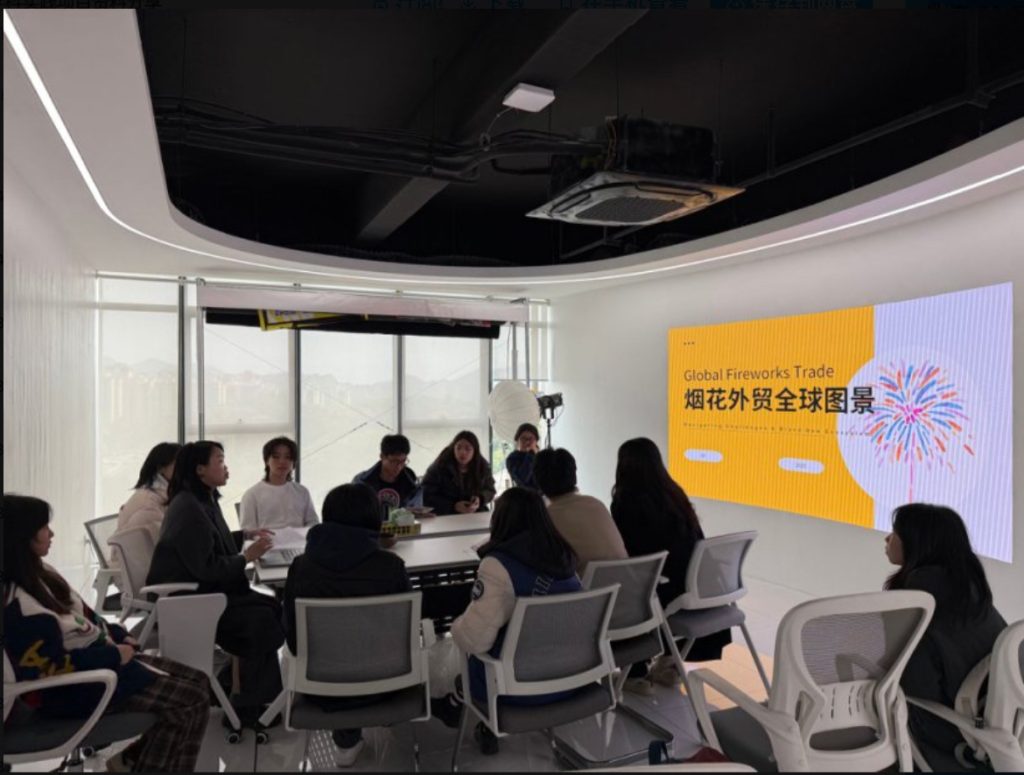
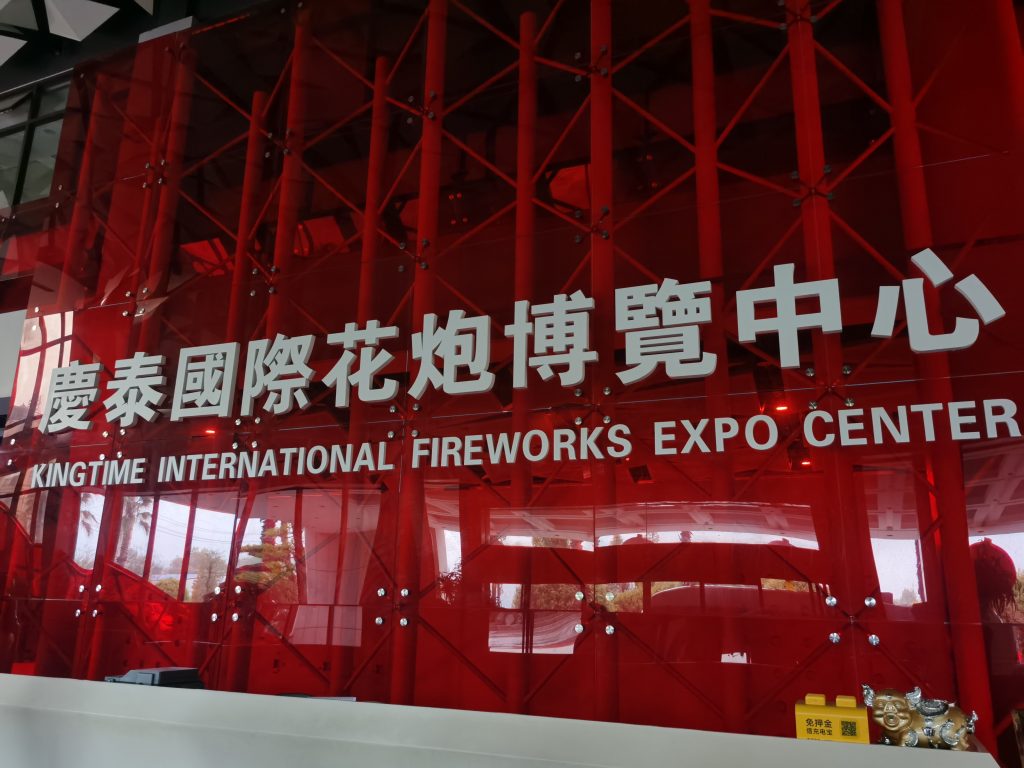
My first stop was Qingtai International Fireworks Exhibition Center, a renowned local fireworks company.
Here, through presentations by company executives, we gained insights into how the enterprise’s growth mirrors the evolution of fireworks history. We also toured their complete product line of pyrotechnic innovations.
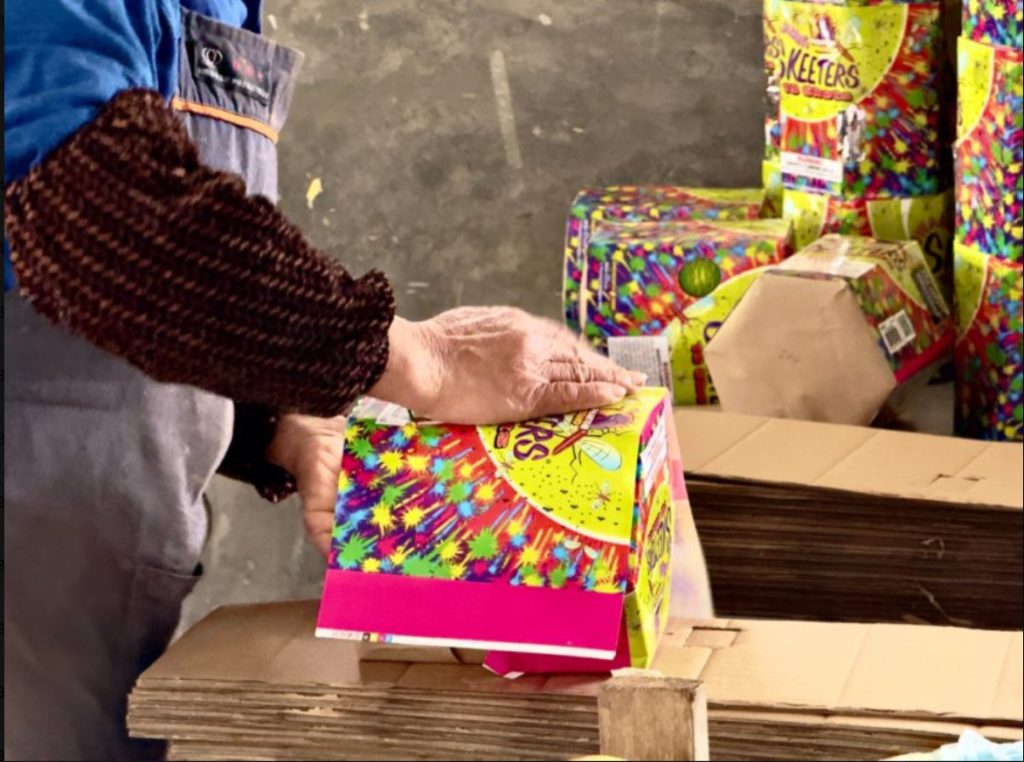
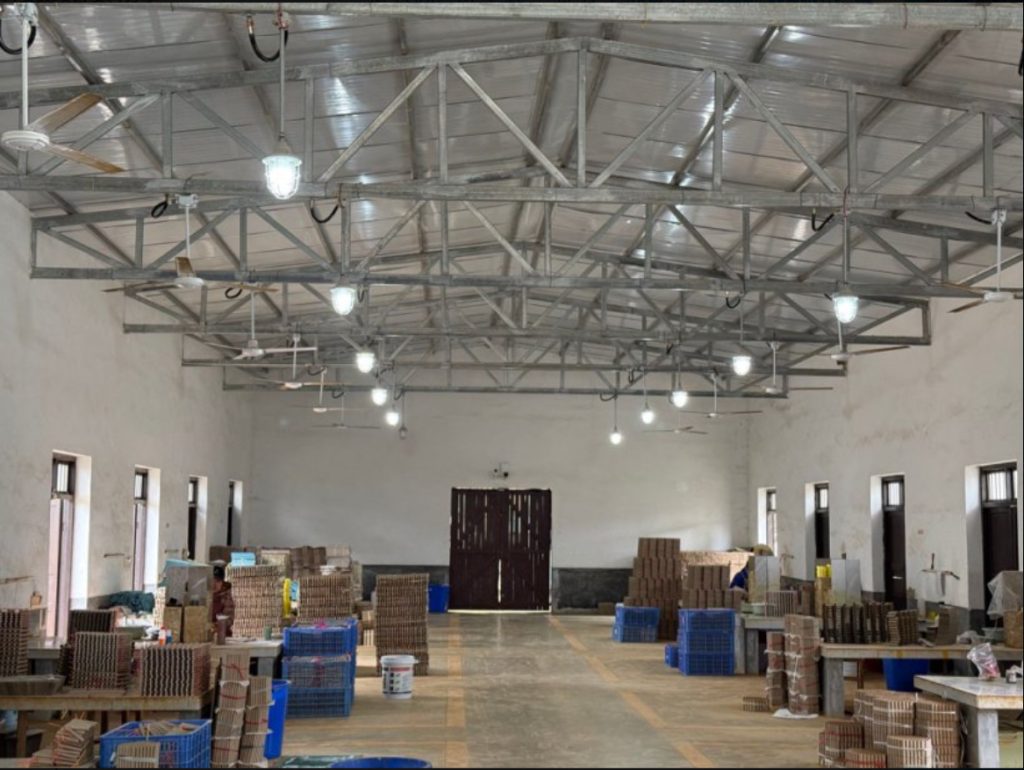
Next, we visited two different types of factories that produce fireworks. The first method involves extensive manual production with a large workforce, while the second utilizes modernized factory facilities for enhanced safety – though still requiring minimal human oversight.
This is the first kind of factories that require large amounts of labor.This next factory model prioritizes both safety and modernization, representing a more advanced production approach.
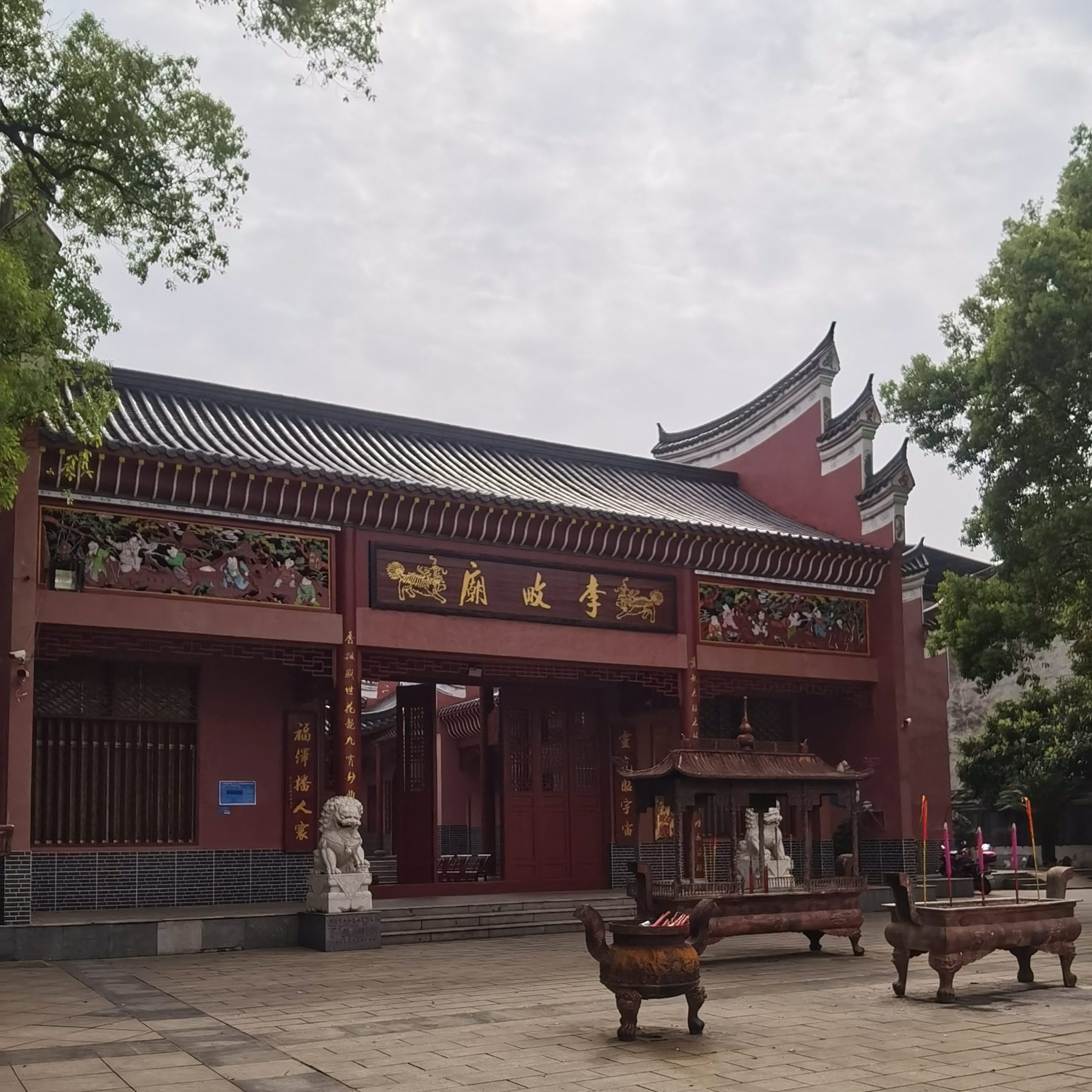
We also visited the Liqi Temple.
No matter who talks about the history of fireworks during the whole journey, the first thing mentioned is Li Yu. He is also known as the ancestor of firecrackers.
This is only half of the journey, and other locations will be added in the next chapter.
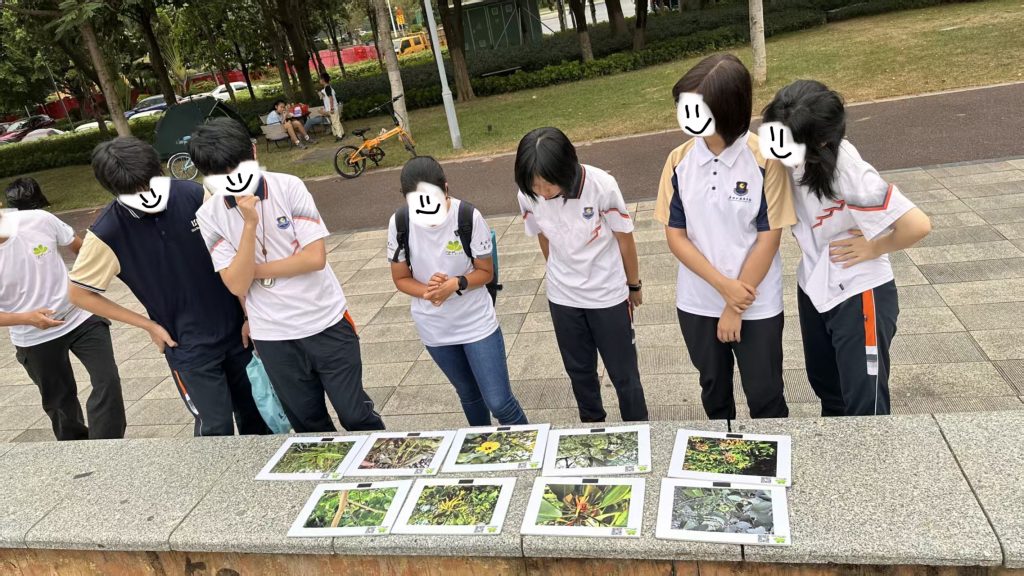
This was an on-campus club activity organized in collaboration with an external team specializing in mangrove research. As a member of the School Mangrove Club, I was thrilled to participate in my first-ever mangrove-related event—an exciting and educational experience!
The leading teacher was introduced some kinds of mangroves to us.
This photo was taken along the Jiaomen River in Nansha. If you follow this road straight ahead, you’ll find a mangrove area. Home to over eight mangrove species—including Sonneratia apetala, Aegiceras corniculatum, and Pongamia pinnata—the area also features two century-old Sonneratia apetala trees, a rare and remarkable sight.”
We are examining Bidens pilosa, a highly invasive alien species. This fast-growing plant aggressively outcompetes native vegetation by monopolizing critical resources—including sunlight, soil moisture, nutrients, and beneficial insects in loose soil—ultimately dominating vast areas of land.
I will conduct a special field visit to document Nansha’s unique vegetation through photos and detailed observations. The area boasts diverse mangrove species like Sonneratia apetala, Aegiceras corniculatum, and Pongamia pinnata—but also faces ecological challenges from invasive plants such as Bidens pilosa. I’ll share these findings in an upcoming article to highlight the region’s rich biodiversity and conservation concerns.
about Aegiceras corniculatum (L.) Blanco, Sonneratia apetala Buch.-Ham., Acanthus ilicifolius L. and the associated species of mangroves.
Aegiceras corniculatum (L.) Blanco
It is a shrub or small tree of the primens, the family of purple golden cattle, and the genus Candle fruit, 1.5-4 metres high; the twigs are hairless, brown and black. The leaves are alternate, almost opposite at the top of the branches, the leaves are leathery, obovate, oval or broadly obovate, the top is round or slightly concave, and the base is wedge-shaped. The umbrella-shaped inflorescence, grows at the top of the branch, has no stalk, and has more than 10 flowers; the peduncle is about 1 cm long, with some glandular dots. The fruit is cylindrical, curved like a crescent, and the top is gradually pointed; the calyx tightly wraps around the base. The flowering period is from December to January and February of the following year, and the fruiting period is from October to December. Sometimes the flowering period is in April and the fruiting period is in February.
It is distributed in China, India, the Indochinese Peninsula to the Philippines and southern Australia; in China, it is found in Guangxi, Guangdong, Fujian and the islands of the South China Sea. It grows on the muddy beaches where the tide rises and falls by the seaside, and is one of the tree species of mangroves. Sometimes it forms pure forests.
Sonneratia apetala Buch.-Ham.
It is a tree of the genus mulberry family, up to 20 metres high. The trunk is cylindrical, with bamboo shoot-shaped breathing roots protruding from the water; the stem is gray, the twigs are slender and drooping, with raised joints. The leaves are opposite, thick leathery, oval to long oval, and the petiole is light green to pink. Total inflorescence, ovate bud, triangular calyx, green. The flowers are white. The berries are spherical, and the seeds are “V”-shaped. The mulberry in Guangdong, China, blooms in May and June, and ripens from October to November.
The petalless mulberry is a species of mangrove plant, which is an excellent pioneer afforestation tree species in the intertidal mudflat. It plays a role in maintaining the ecological balance of the coastal zone.
Acanthus ilicifolius L.
Acanthus ilicifolius L. belongs to the genus Acanthaceae. It belongs to the autumn tomato family in the mangrove plant family. It is a shrub growing in the lower layer of mangroves, 0.5m-1.5m high; the leaves are cross-dual, with sharp thorns at the endof the leaf; the inflorescence is spike-shaped, and the flowers are white and purple. It only has half of the petals. The stamens are completely exposed to the outside, which looks so ostentatious. The flowering period is between April and June; the fruit is fleshy, and there are 1 to 4 hidden foetal seeds in it.
Juncus roemerianus
(commonly called rushes) are often found near mangrove forests due to their adaptability to similar environmental conditions.
Juncus species grow near mangroves because they exploit similar—but slightly milder—conditions, filling an ecological niche that benefits both the plant and the broader coastal ecosystem. 1. Salt Tolerance – Some Juncus species (e.g., Juncus maritimus, Juncus roemerianus) can tolerate brackish or slightly saline soils, allowing them to thrive in mangrove-fringe zones where saltwater influence is present but less intense than in the core mangrove area. 2. Wetland Adaptation – Rushes are helophytes (wetland plants) with adaptations like **aerenchyma** (air-filled tissues in roots) that enable survival in waterlogged, oxygen-poor soils—similar to mangrove environments. 3. Soil and Nutrient Benefits – Mangrove sediments are rich in organic matter (from leaf litter and detritus), which Juncus can utilize. – They often grow in slightly elevated areas or where freshwater seepage reduces salinity, avoiding direct competition with mangroves. 4. Ecological Niche Partitioning – While mangroves dominate the low intertidal zone, rushes occupy the high marsh or upper intertidal, reducing competition for space and light. 5. Ecosystem Support – Stabilizing sediments: Their dense root systems help prevent erosion along mangrove edges. – Wildlife habitat: They provide shelter for crabs, insects, and small fish, enhancing biodiversity. Misconceptions – Not all rushes grow near mangroves—only salt-tolerant species do. – They are not true mangrove associates but rather marsh plants that coexist in transitional zones.