Liuyang Fireworks Interdisciplinary Practice Project

This project aims to deeply understand the close connection between the Liuyang fireworks industry and the local economy, humanities and chemistry through a two-day and one-night visit, experience and study in Liuyang, Changsha.

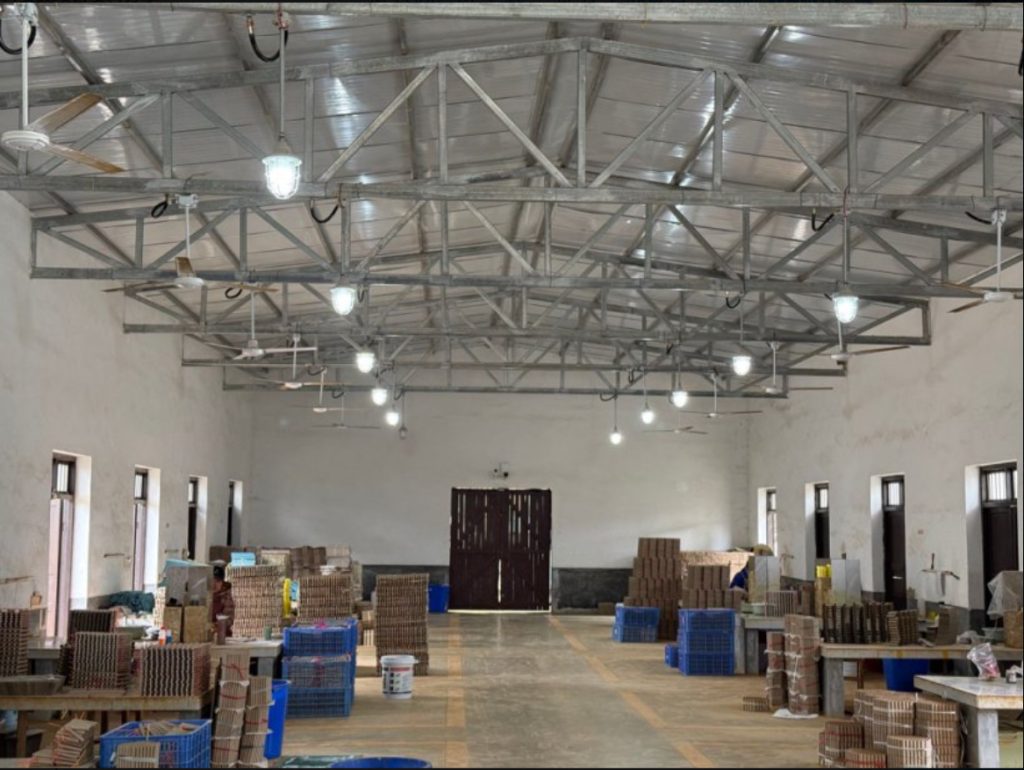
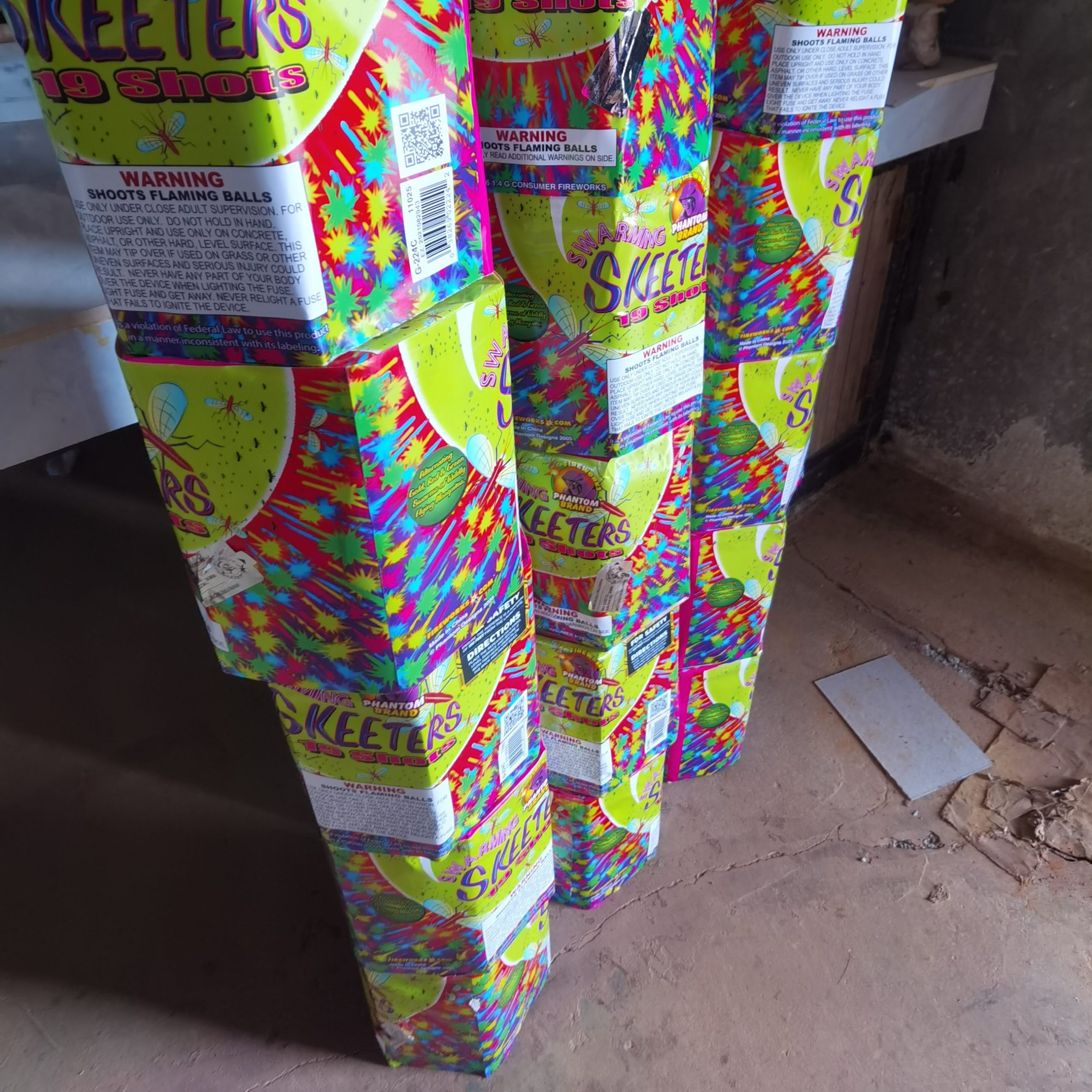
This is the Liuyang fireworks I saw with my own eyes, and this picture was taken by me.

This article will briefly introduce the places I have been to in this study.

My first stop was Qingtai International Fireworks Exhibition Center, a renowned local fireworks company.

Here, through presentations by company executives, we gained insights into how the enterprise’s growth mirrors the evolution of fireworks history. We also toured their complete product line of pyrotechnic innovations.

Next, we visited two different types of factories that produce fireworks. The first method involves extensive manual production with a large workforce, while the second utilizes modernized factory facilities for enhanced safety – though still requiring minimal human oversight.

This is the first kind of factories that require large amounts of labor.
This next factory model prioritizes both safety and modernization, representing a more advanced production approach.

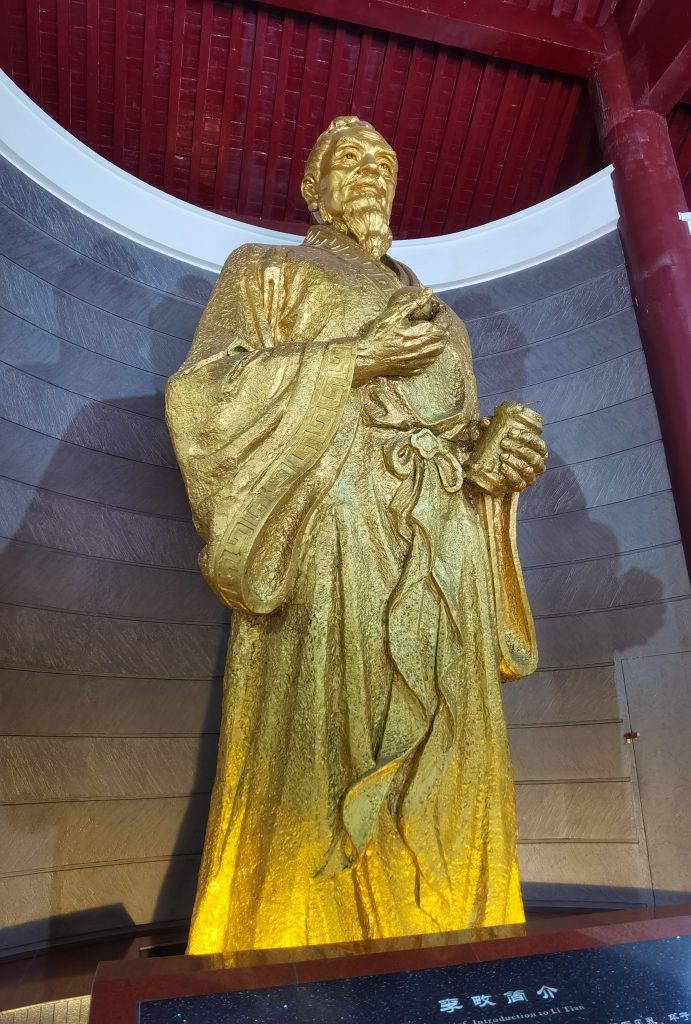
We also visited the Liqi Temple.

No matter who talks about the history of fireworks during the whole journey, the first thing mentioned is Li Yu. He is also known as the ancestor of firecrackers.
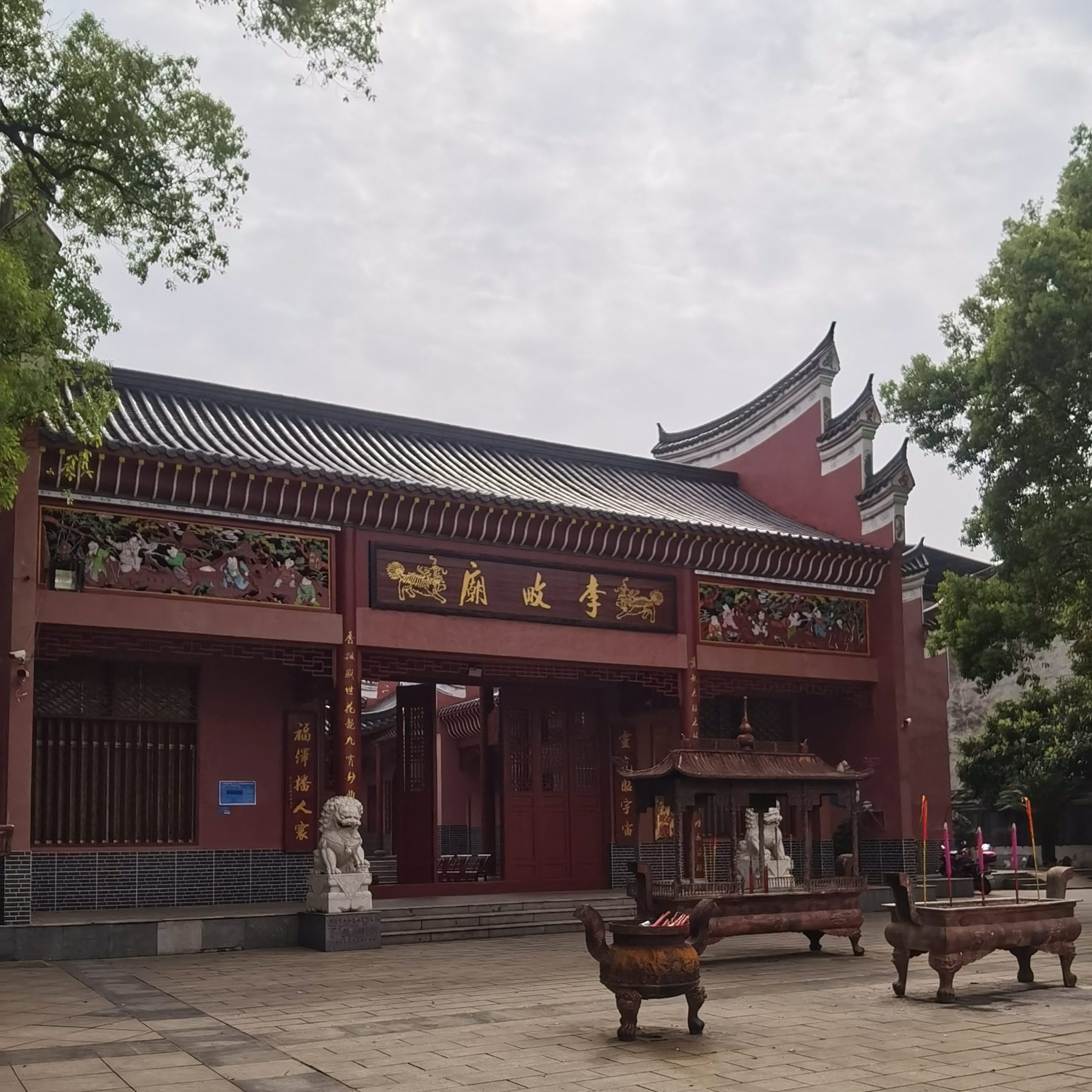
This is only half of the journey, and other locations will be added in the next chapter.
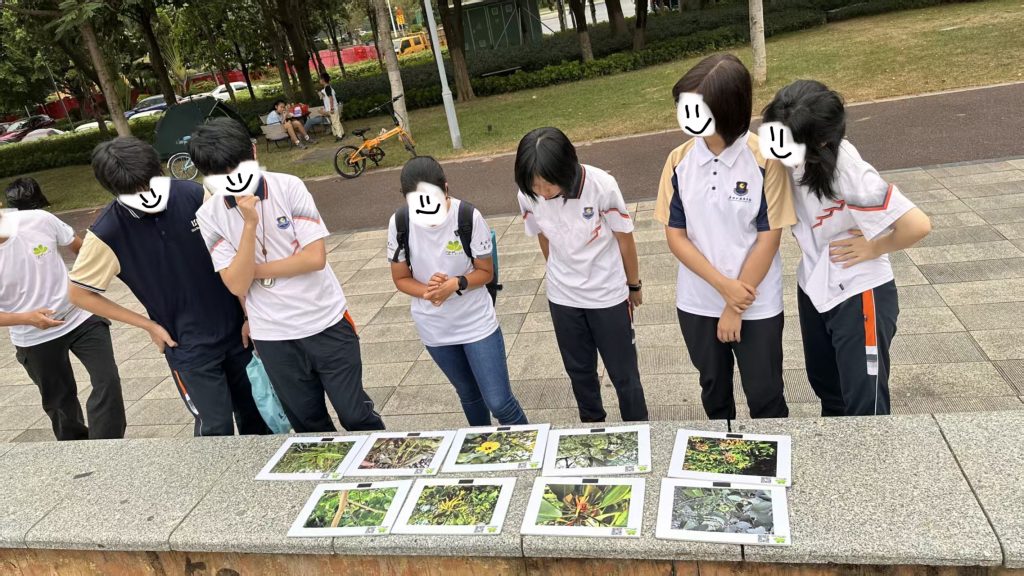
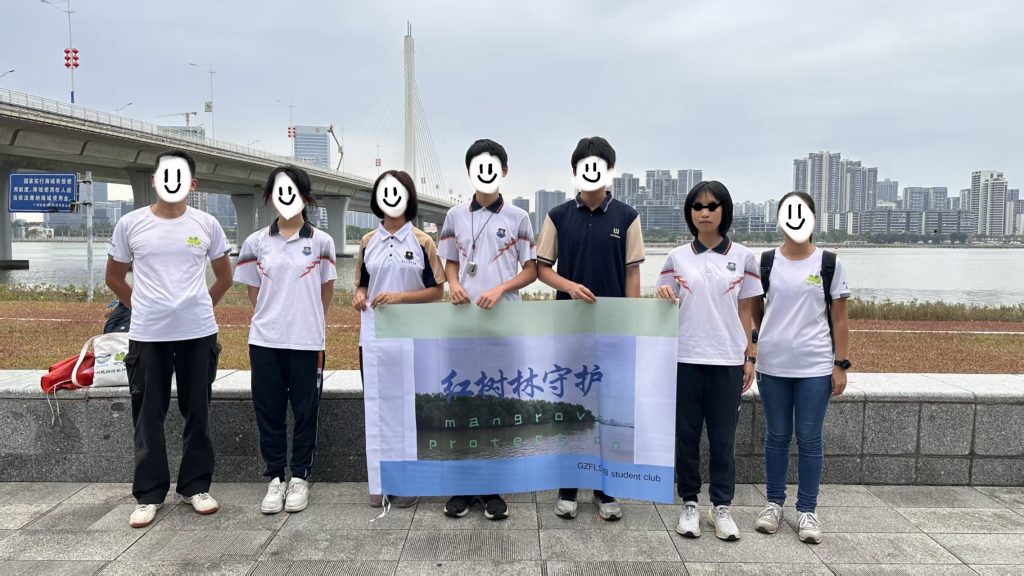
The first close-up observation of the mangroves

This was an on-campus club activity organized in collaboration with an external team specializing in mangrove research. As a member of the School Mangrove Club, I was thrilled to participate in my first-ever mangrove-related event—an exciting and educational experience!

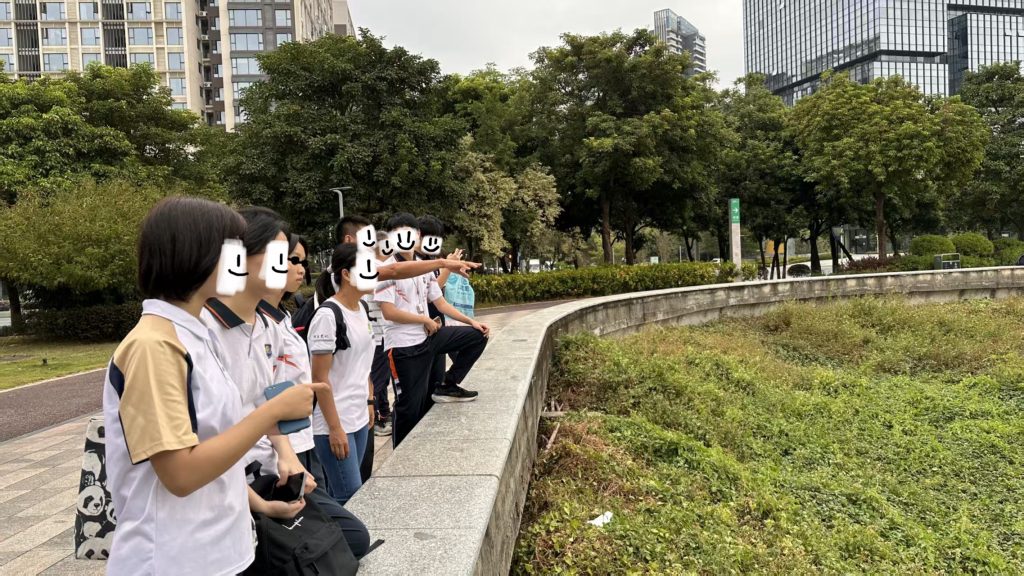
The leading teacher was introduced some kinds of mangroves to us.

This photo was taken along the Jiaomen River in Nansha. If you follow this road straight ahead, you’ll find a mangrove area. Home to over eight mangrove species—including Sonneratia apetala, Aegiceras corniculatum, and Pongamia pinnata—the area also features two century-old Sonneratia apetala trees, a rare and remarkable sight.”

We are examining Bidens pilosa, a highly invasive alien species. This fast-growing plant aggressively outcompetes native vegetation by monopolizing critical resources—including sunlight, soil moisture, nutrients, and beneficial insects in loose soil—ultimately dominating vast areas of land.

I will conduct a special field visit to document Nansha’s unique vegetation through photos and detailed observations. The area boasts diverse mangrove species like Sonneratia apetala, Aegiceras corniculatum, and Pongamia pinnata—but also faces ecological challenges from invasive plants such as Bidens pilosa. I’ll share these findings in an upcoming article to highlight the region’s rich biodiversity and conservation concerns.