This article will introduce Liuyang fireworks and its significance.
The fireworks industry in Liuyang, Changsha, means the world to the local community. Here’s why it matters so much:
•   It’s a huge economic driver: Liuyang is the biggest fireworks production and trading hub on the planet. In 2024, the industry’s total output hit 50.22 billion yuan, crossing the 50-billion mark for the second year in a row. Its exports make up 70% of China’s total, reaching over 100 countries and regions across the Americas, Europe, and Southeast Asia. At home, it holds about half the market share—so it’s bringing in serious money for the area.

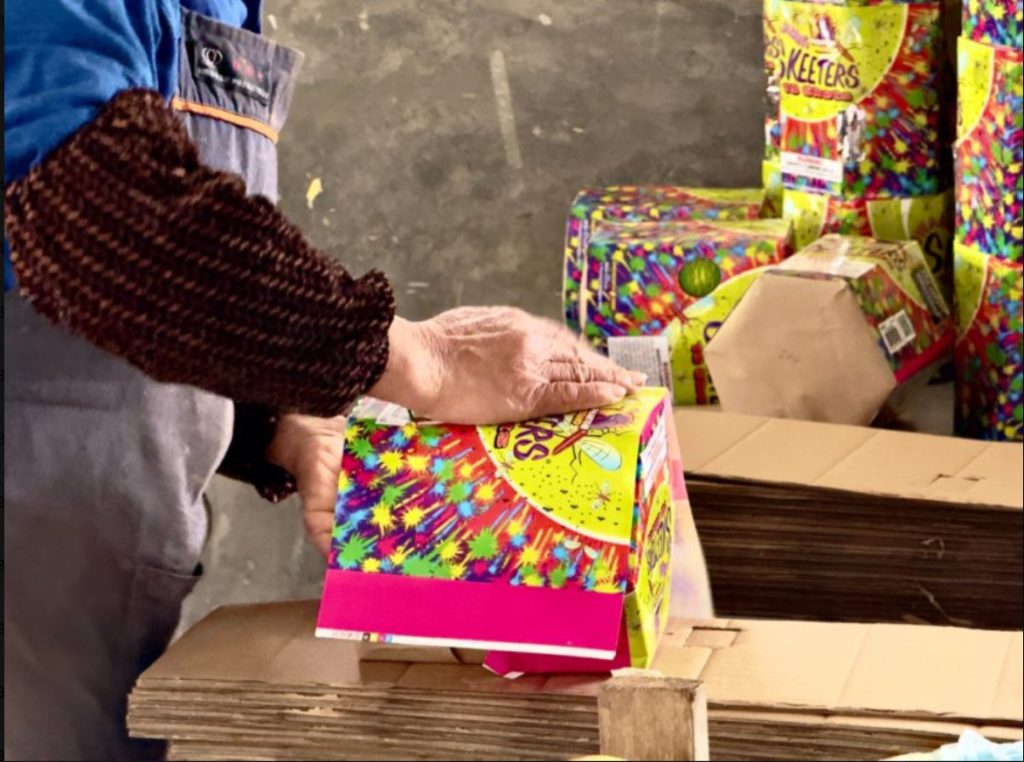
•   It puts people to work: Around 300,000 locals make their living from fireworks, that’s 20% of Liuyang’s total population. In some towns, 7 out of 10 residents work in the industry. This means people don’t have to leave home to find jobs, which has cut down on issues like left-behind kids and elderly folks living alone.

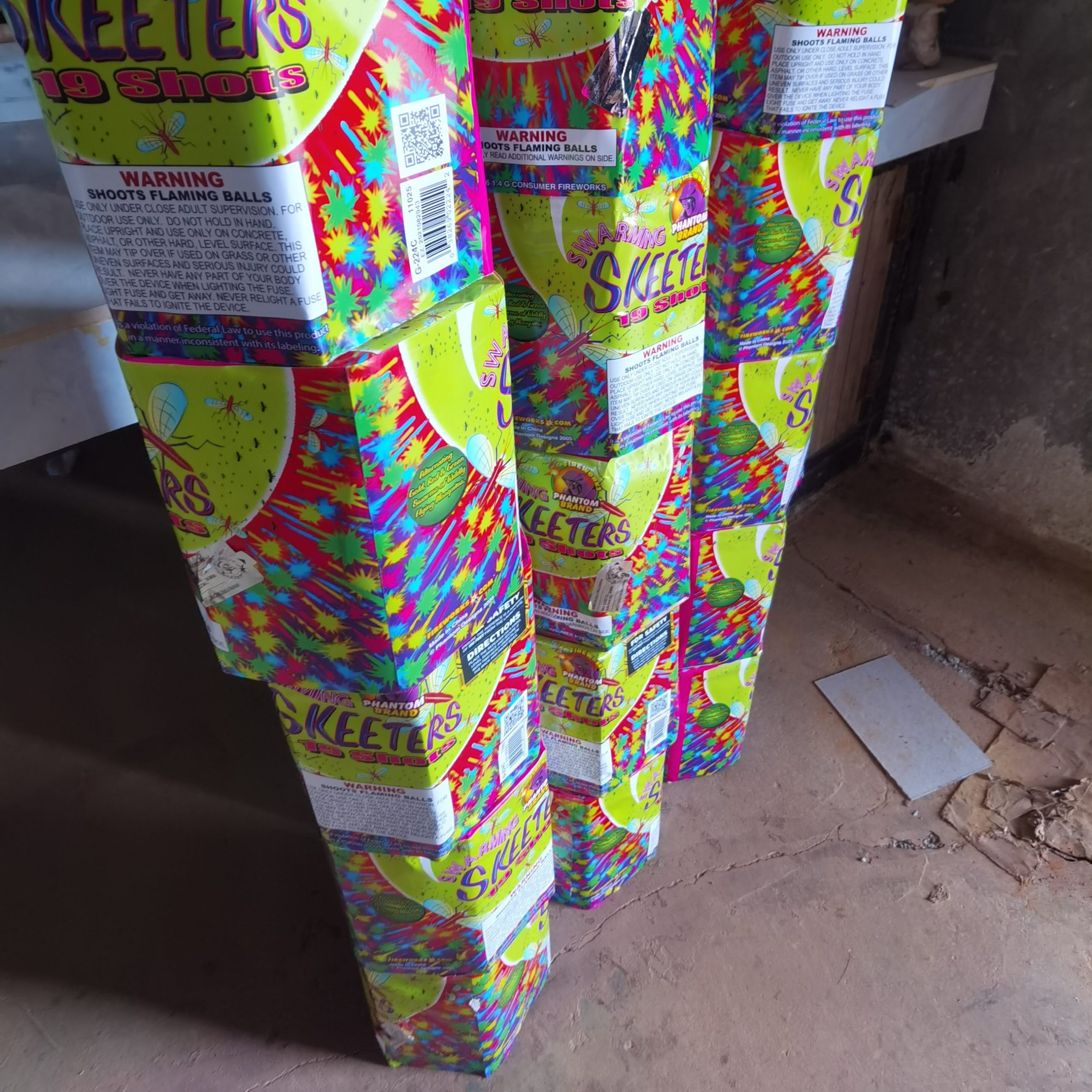
•   It builds a strong industry network: Take Dayao Town, for example. It’s got a full fireworks supply chain, including the world’s largest market for raw materials. Over 400 businesses cover everything from papermaking and packaging to machinery, creating a tight-knit, efficient cluster.

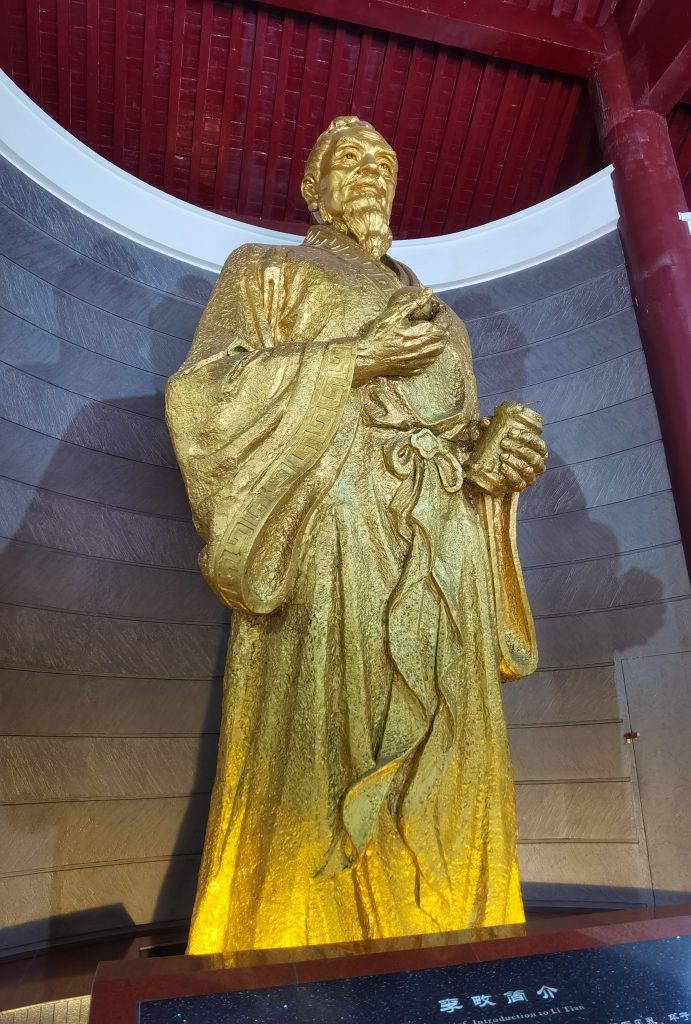
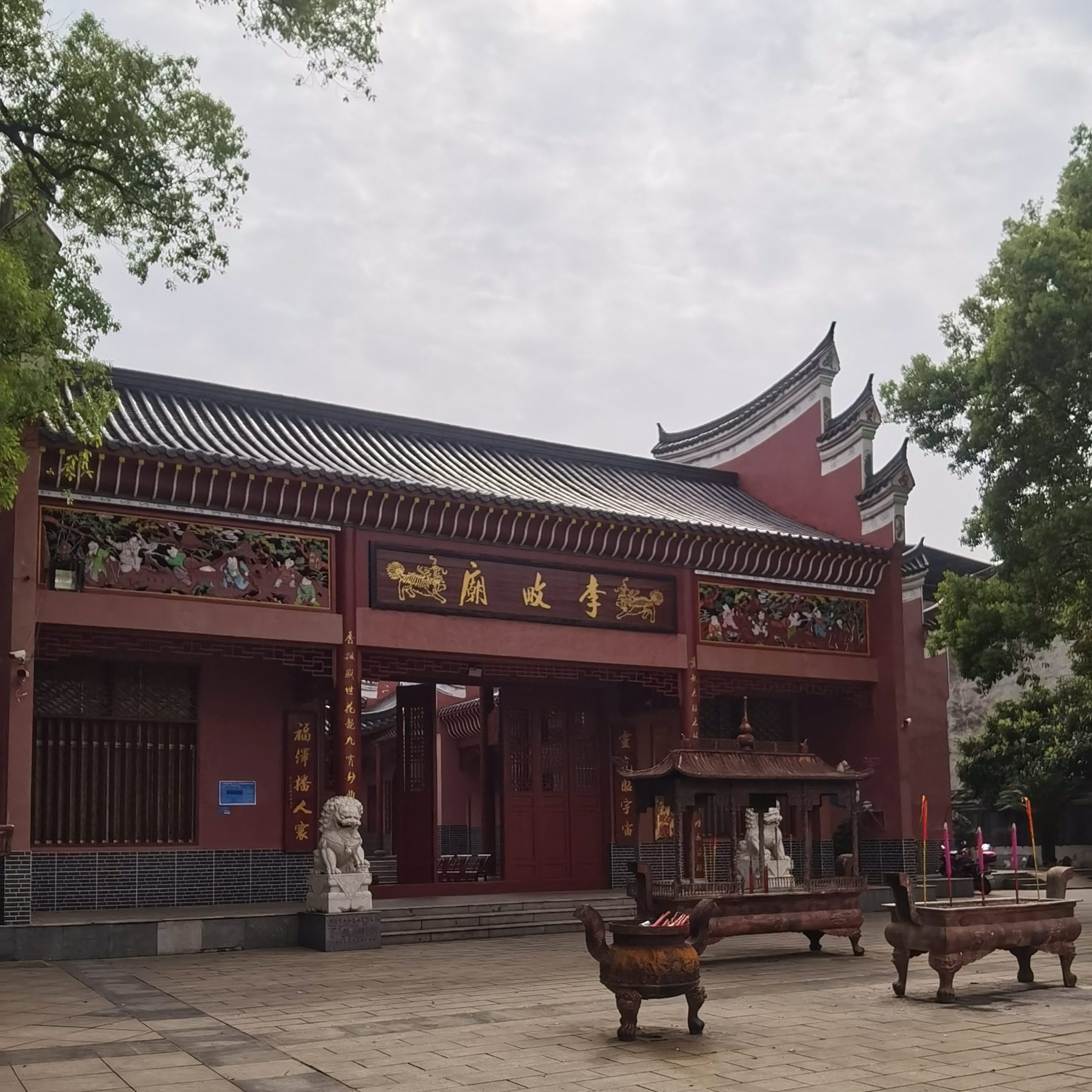
•   It keeps culture alive: Liuyang’s fireworks date back over 1,300 years, starting in the Tang Dynasty and booming in the Song Dynasty. Legend has it Li Tian, the “father of firecrackers,” was from here. The industry’s growth has kept this old craft alive, preserving a piece of the area’s unique cultural identity.

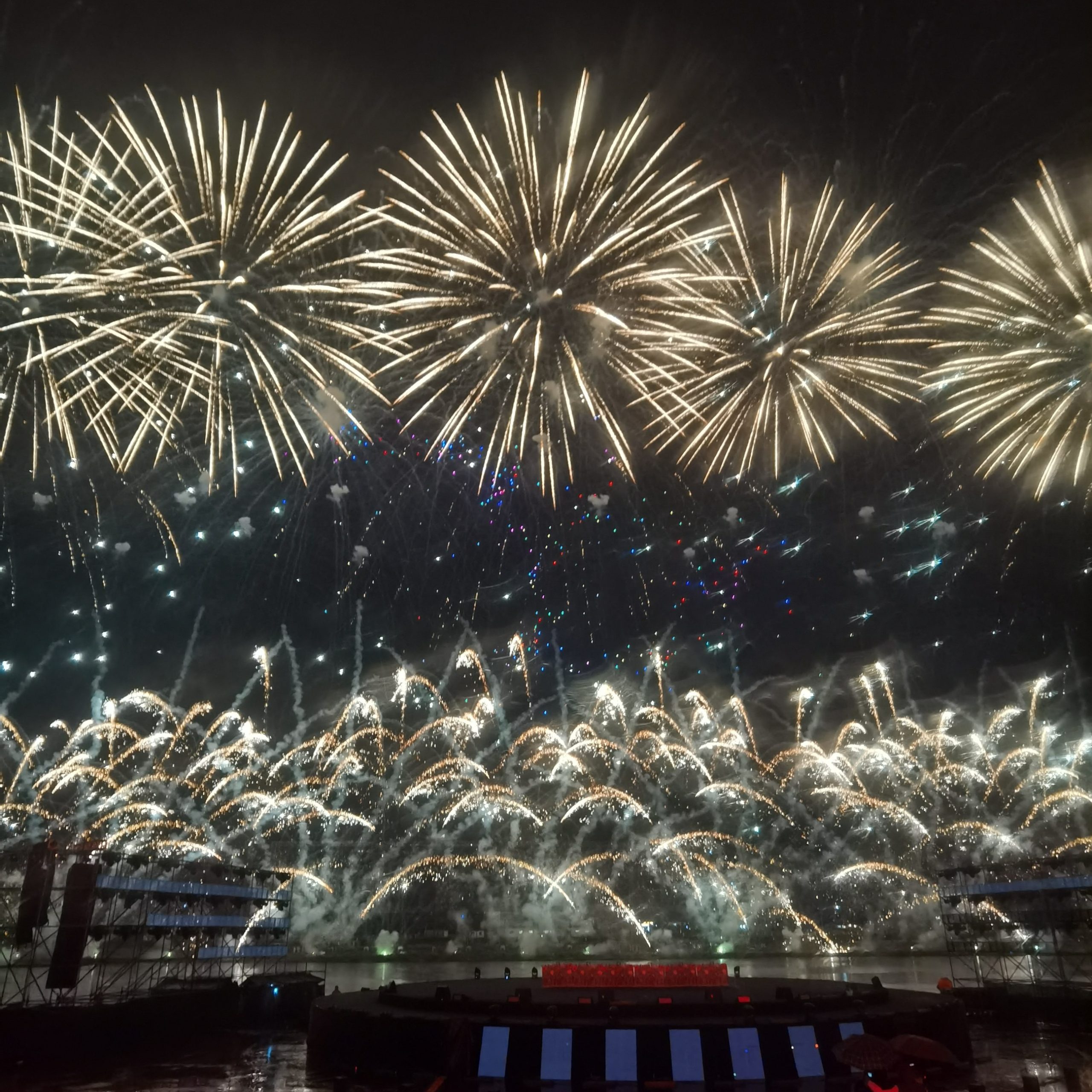
•   It’s put Liuyang on the map: Known as “China’s Fireworks Hometown,” Liuyang’s fireworks are its most famous symbol. Since 2023, creative firework shows have drawn 5 million visitors, boosting spending by over 15 billion yuan. Weekend firework displays and events like these have made the city more well-known, giving its tourism and culture industries a big lift.

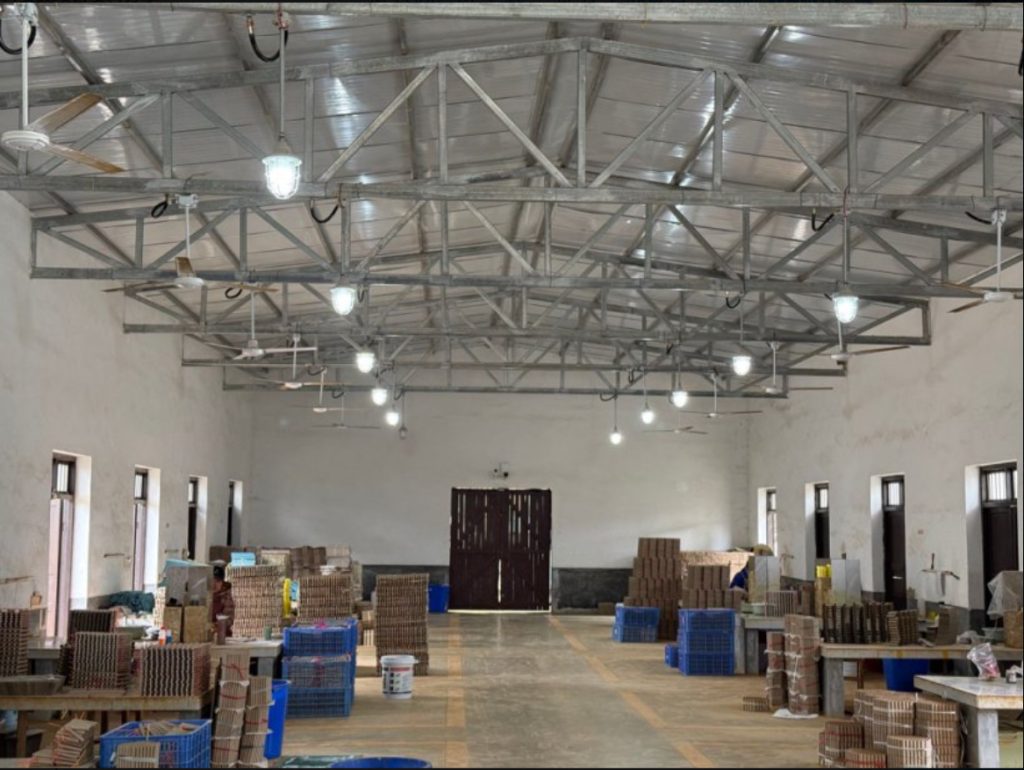
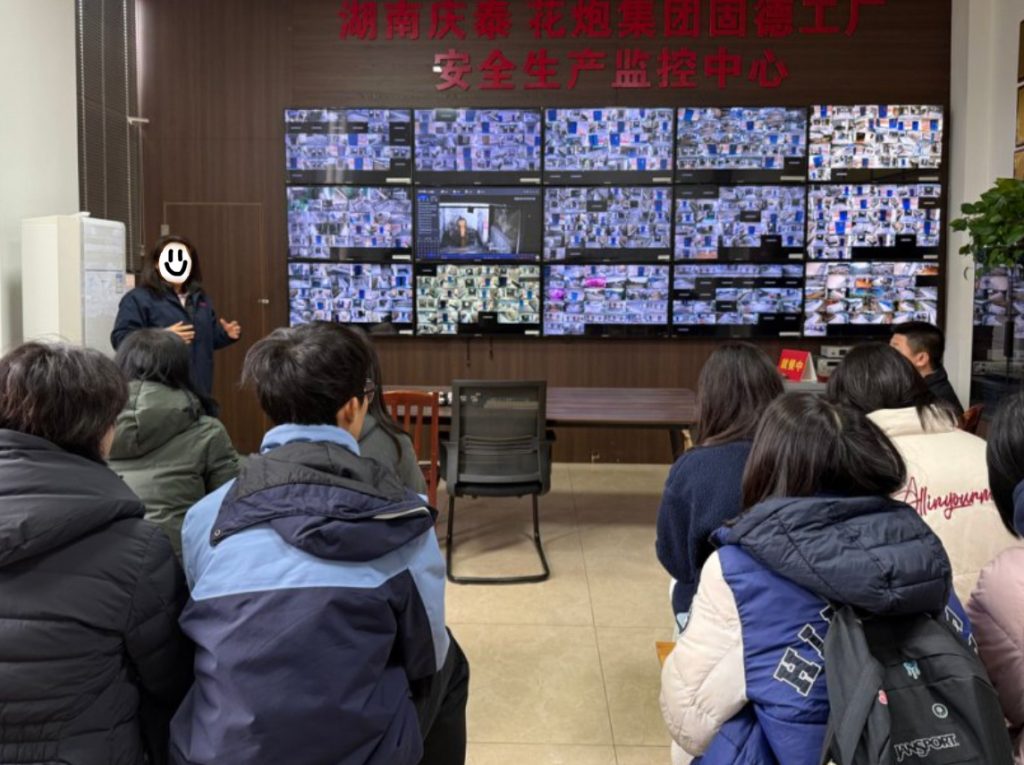
•   It pushes for new ideas: To keep up with market needs and environmental rules, local companies are always innovating. They’ve developed eco-friendly products like low-smoke, sulfur-free propellants and cold-light stage fireworks, nabbing over 20 national patents. They’ve even moved from manual workshops to smart factories, making production faster and better.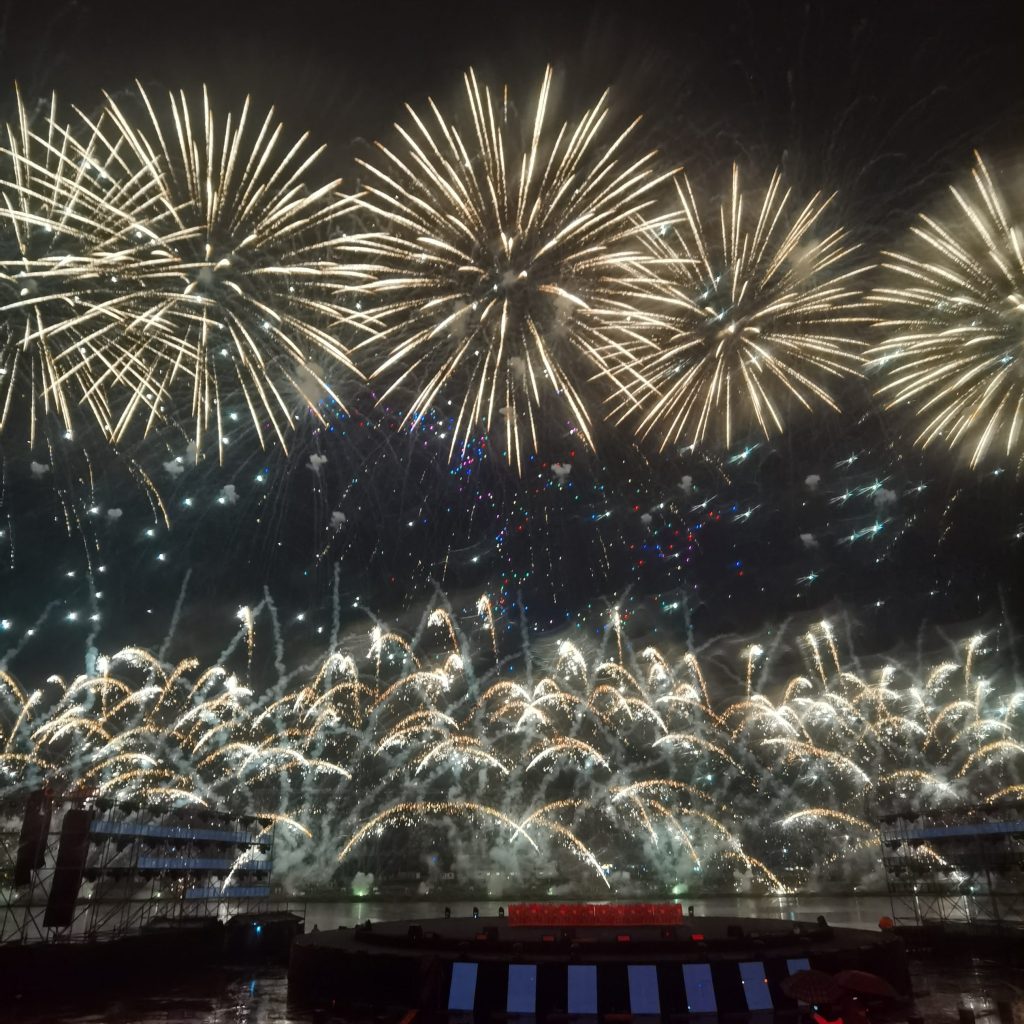
Liuyang, a city in Changsha, is perfectly suited for growing its fireworks industry—and here’s why:
First off, it’s got all the raw materials it needs close by. The area is rich in sulfur mines; once purified, that sulfur goes straight into making black powder. There’s also no shortage of bamboo and wood, and the fir charcoal used for ignition is a local specialty. Even the handmade paper that wraps the fireworks can be sourced locally. That means a lot of the work, from gathering materials to crafting the final product, happens right here.
Then there’s the geography—it’s a natural fit. Liuyang has a subtropical monsoon climate, with warm, humid conditions that are ideal for storing gunpowder. Plus, it’s surrounded by mountains and dotted with hills, which act like buffers. They soften the shockwaves from explosions, creating a built-in safety barrier that makes those powder workshops a lot less risky.
History plays a big role too. Fireworks in Liuyang date back over 1,300 years, starting in the Tang Dynasty and thriving by the Song Dynasty. Legend has it that Li Tian, the “father of firecrackers,” invented爆竹 (firecrackers) here. All that time has built up a deep cultural roots and a wealth of craftsmanship know-how.
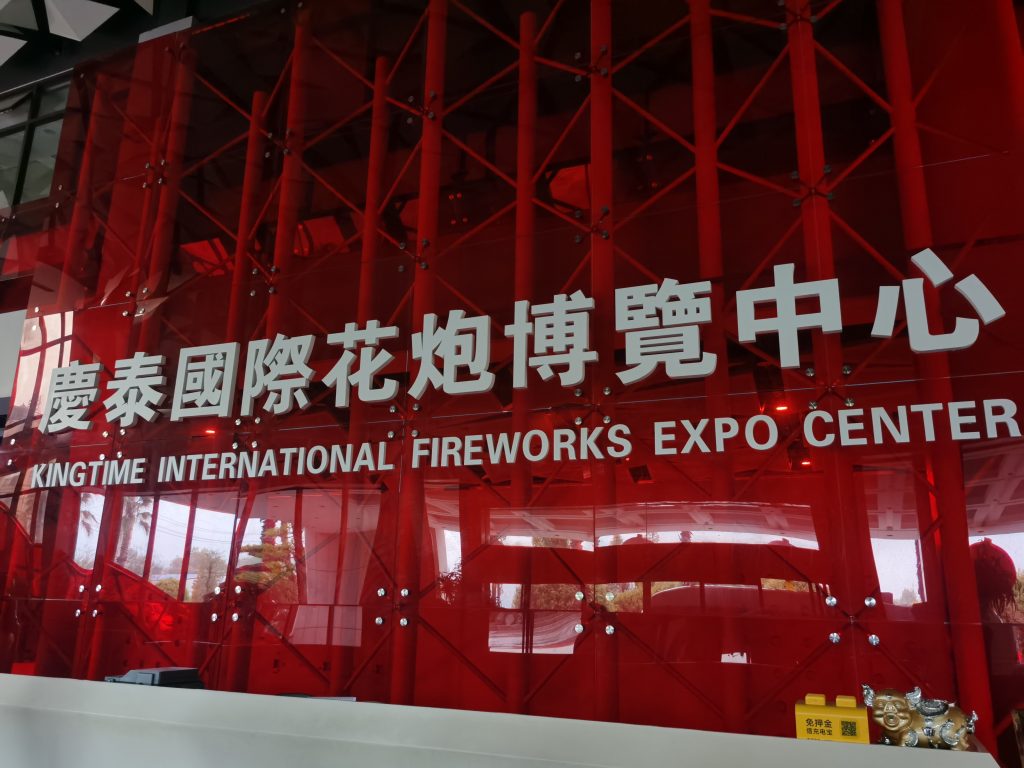
The industry itself is already rock solid. Liuyang is where fireworks first took off in China, earning it the title “Hometown of Chinese Fireworks.” Today, it’s got a full产业链 (industry chain) covering everything from production and sales to R&D and logistics. It’s the world’s biggest hub for making and trading fireworks, with about 60% of China’s domestic market and 70% of its exports.
Innovation is another strong suit. Local companies are always adopting new tech—like digital ignition systems and smokeless launching techniques. They’ve even developed eco-friendly products, like powder-free fireworks, and paired drones with fireworks to create mind-blowing shows. All this pushes the industry forward in safety, sustainability, and artistry.
And the government’s got its back. The local authorities rolled out plans like the “14th Five-Year Plan for Liuyang’s Fireworks Industry Cluster” and set aside 100 million yuan every year to support the sector. That kind of commitment keeps the industry growing steadily for the long haul.